
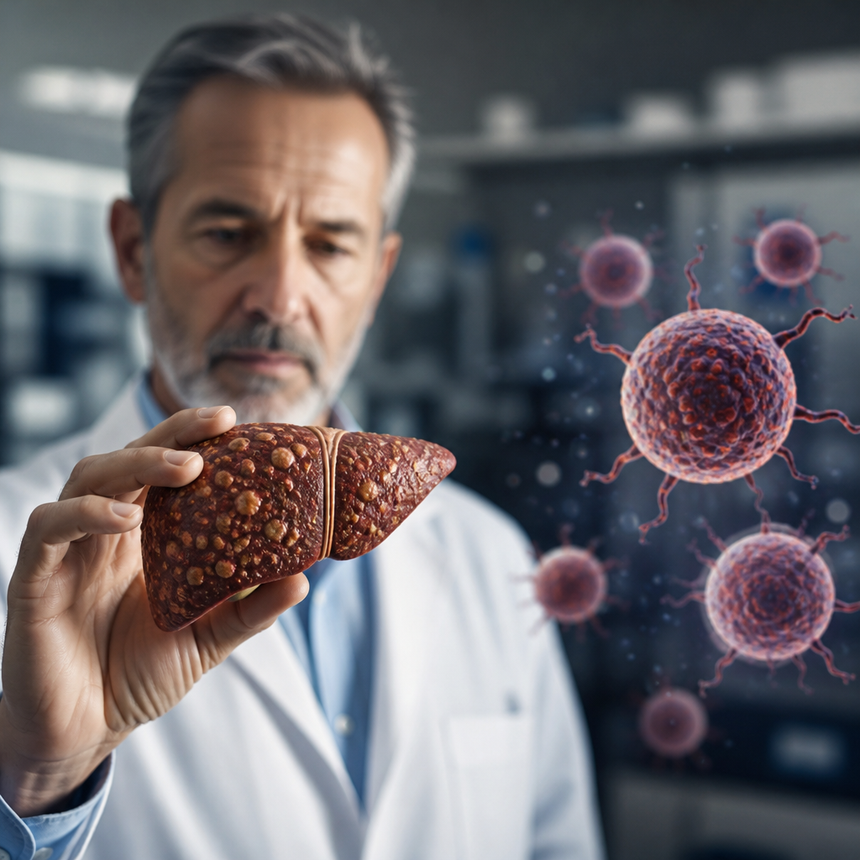
Liver disease and cancer share a complex, bidirectional relationship that clinical research continues to illuminate. While hepatocellular carcinoma—primary liver cancer arising from chronic liver damage—represents the most direct connection, the liver’s role in metabolizing carcinogens, regulating inflammation, and supporting immune function means that liver dysfunction can influence cancer risk across multiple organ systems. For patients navigating cancer diagnosis or treatment, understanding how liver health affects both disease progression and therapeutic outcomes has become an essential component of comprehensive oncology care.
- How Chronic Liver Conditions Elevate Cancer Risk
- The Liver’s Role in Cancer Treatment Tolerance
- Metabolic Syndrome: A Shared Risk Factor
- Specialized Care for Patients With Dual Diagnoses
- Surveillance Strategies and Early Detection
- Practical Steps for Risk Reduction
- Research Directions and Future Treatment Paradigms
- Integrating Liver Health Into Cancer Survivorship
How Chronic Liver Conditions Elevate Cancer Risk
Chronic liver diseases create a persistent inflammatory environment that gradually damages hepatocytes and triggers compensatory regeneration cycles. Over years or decades, this pattern of injury and repair accumulates genetic mutations, some of which can lead to malignant transformation. Hepatitis B and C infections remain leading causes of hepatocellular carcinoma globally, though viral suppression through antiviral therapy has dramatically reduced progression rates in treated populations. Non-alcoholic fatty liver disease, now affecting roughly 25 percent of adults worldwide, represents an emerging pathway to liver cancer even in patients without viral hepatitis or significant alcohol consumption.
Cirrhosis—the advanced scarring that results from prolonged liver damage—increases hepatocellular carcinoma risk by a factor of 15 to 20 compared to healthy liver tissue. The mechanism involves both the accumulated DNA damage from chronic inflammation and the altered liver architecture that disrupts normal growth regulation. Patients with cirrhosis from any cause require structured surveillance protocols, typically involving ultrasound imaging and alpha-fetoprotein blood tests every six months, to detect tumors at stages where curative treatment remains possible.
The Liver’s Role in Cancer Treatment Tolerance
Beyond its direct cancer risks, liver function profoundly affects how patients tolerate systemic cancer therapies. Chemotherapy drugs, targeted agents, and even some immunotherapy medications undergo hepatic metabolism, and compromised liver function can lead to dangerous drug accumulation or inadequate therapeutic levels. Oncologists routinely adjust dosing based on liver enzyme levels and synthetic function markers, but these modifications represent trade-offs between toxicity risk and treatment efficacy.
Recent advances in cancer treatment have shifted mortality patterns significantly, with immunotherapy and targeted therapies improving survival rates across multiple cancer types. However, these newer agents can themselves cause immune-mediated hepatitis or direct liver toxicity, requiring careful monitoring throughout treatment. Patients with pre-existing liver conditions face heightened vulnerability to these complications, making baseline liver assessment and ongoing surveillance critical components of cancer care planning.
Metabolic Syndrome: A Shared Risk Factor
The metabolic syndrome cluster—obesity, insulin resistance, hypertension, and dyslipidemia—drives both non-alcoholic fatty liver disease and several common cancers, including colorectal, breast, endometrial, and kidney malignancies. Excess adipose tissue functions as an endocrine organ, secreting inflammatory cytokines and growth factors that promote both hepatic steatosis and tumor development. This shared pathophysiology explains why lifestyle interventions targeting weight management, physical activity, and dietary patterns can simultaneously reduce liver disease progression and cancer incidence.
Research published in clinical oncology journals has documented that patients who achieve sustained weight loss through structured programs reduce their liver fat content by 30 to 40 percent while also lowering biomarkers associated with cancer risk. The challenge lies in implementation: behavior change requires sustained support systems, and medical teams increasingly recognize that addressing these metabolic factors demands multidisciplinary coordination rather than isolated dietary advice.
Specialized Care for Patients With Dual Diagnoses
When patients present with both active cancer and significant liver disease, treatment planning becomes particularly complex. A patient with colorectal cancer metastases and cirrhosis, for instance, may not tolerate standard chemotherapy regimens, yet undertreating the cancer clearly compromises survival. These cases demand expertise that bridges hepatology and oncology, with treatment teams that can assess liver reserve, predict treatment tolerance, and coordinate supportive interventions.
For patients in the United Arab Emirates facing these overlapping conditions, facilities offering integrated hepatology and oncology services provide essential coordinated care. The Liver diseases clinic Abu Dhabi works alongside cancer specialists to evaluate liver function, manage chronic liver conditions, and optimize patients’ physiologic reserve before, during, and after cancer treatment. This collaborative model allows oncologists to pursue more aggressive cancer therapies when liver function permits, while hepatologists monitor for treatment-related liver injury and manage underlying liver disease progression.
Surveillance Strategies and Early Detection
Effective surveillance programs recognize that patients with chronic liver disease require different cancer screening protocols than the general population. Standard hepatocellular carcinoma surveillance involves six-month intervals between imaging studies, a frequency that balances early detection benefits against the cumulative radiation exposure from CT scans or the cost and availability of MRI. Ultrasound remains the primary modality in most protocols due to its safety profile and reasonable sensitivity, though it performs less well in patients with significant obesity or advanced cirrhosis.
The alpha-fetoprotein tumor marker adds diagnostic value when combined with imaging, though it lacks sensitivity as a standalone test—approximately 40 percent of small hepatocellular carcinomas do not produce elevated levels. Newer biomarkers and liquid biopsy techniques show promise in research settings but have not yet replaced established surveillance methods in routine clinical practice. Adherence to surveillance schedules remains problematic, with studies indicating that fewer than 60 percent of eligible patients complete recommended testing, often due to access barriers, communication gaps, or competing health priorities.
Practical Steps for Risk Reduction
Patients concerned about the liver-cancer connection can take concrete actions to reduce their risk, beginning with addressing modifiable factors. Hepatitis B vaccination provides effective prevention for those not yet exposed, while hepatitis C screening followed by curative antiviral treatment eliminates ongoing viral liver damage. For individuals with metabolic risk factors, achieving even modest weight loss—7 to 10 percent of body weight—produces measurable improvements in liver inflammation and fat content.
Alcohol consumption deserves frank assessment, as threshold effects vary considerably between individuals based on genetic factors, sex, and concurrent liver stressors. Current guidance suggests that any regular alcohol use in patients with existing liver disease warrants reconsideration, though complete abstinence becomes medically necessary once significant fibrosis develops. Coffee consumption, interestingly, has emerged in multiple epidemiologic studies as protective against both liver disease progression and hepatocellular carcinoma, with benefits observed at three or more cups daily, though the specific compounds responsible remain under investigation.
Research Directions and Future Treatment Paradigms
Current research explores several promising directions for breaking the liver disease-cancer link. Antifibrotic therapies aim to reverse or halt cirrhosis progression, potentially reducing cancer risk even in patients with advanced liver disease. Immunotherapy approaches for hepatocellular carcinoma continue to evolve, with combination regimens now offering survival benefits previously unattainable with conventional chemotherapy. Clinical studies examining cancer biomarkers and therapeutic responses contribute to this growing evidence base, helping refine which patients benefit most from specific interventions.
Precision medicine approaches seek to identify genetic and molecular markers that predict both liver disease progression and cancer susceptibility, potentially enabling risk-stratified screening and prevention strategies. Early trials of chemopreventive agents in high-risk cirrhotic populations have yielded mixed results, with statins and aspirin showing potential signals that require validation in larger studies. The challenge lies in identifying agents with favorable benefit-risk profiles for long-term use in populations where treatment may prevent cancer in only a subset of exposed individuals.
Integrating Liver Health Into Cancer Survivorship
Cancer survivors face extended health considerations that should include liver function monitoring, particularly given the hepatotoxic potential of many cancer treatments and the rising prevalence of metabolic liver disease in aging populations. Survivorship care plans ideally specify appropriate intervals for liver enzyme testing, guidance on alcohol and medication use, and clear parameters for when specialist hepatology evaluation becomes warranted. Survivors with treatment-related liver injury require individualized follow-up protocols that account for the specific agents used, cumulative doses received, and baseline liver health prior to cancer diagnosis.
The intersection of liver disease and cancer represents not merely a clinical complication but an opportunity for integrated prevention and care. By recognizing shared risk factors, optimizing liver function before and during cancer treatment, and maintaining appropriate surveillance in high-risk populations, healthcare systems can improve outcomes for patients facing either condition alone or in combination. As treatment advances continue extending cancer survival, attention to long-term organ health—including hepatic function—becomes increasingly central to comprehensive oncology care.